

Your Memories of John
Ad Infinitum
The hope is that this section becomes an ongoing repository for memories of John. Please feel at liberty to send in photographs, videos, stories, tributes, recollections whenever a thought comes to you.
Email to: johnleechvr@gmail.com and we will add them.
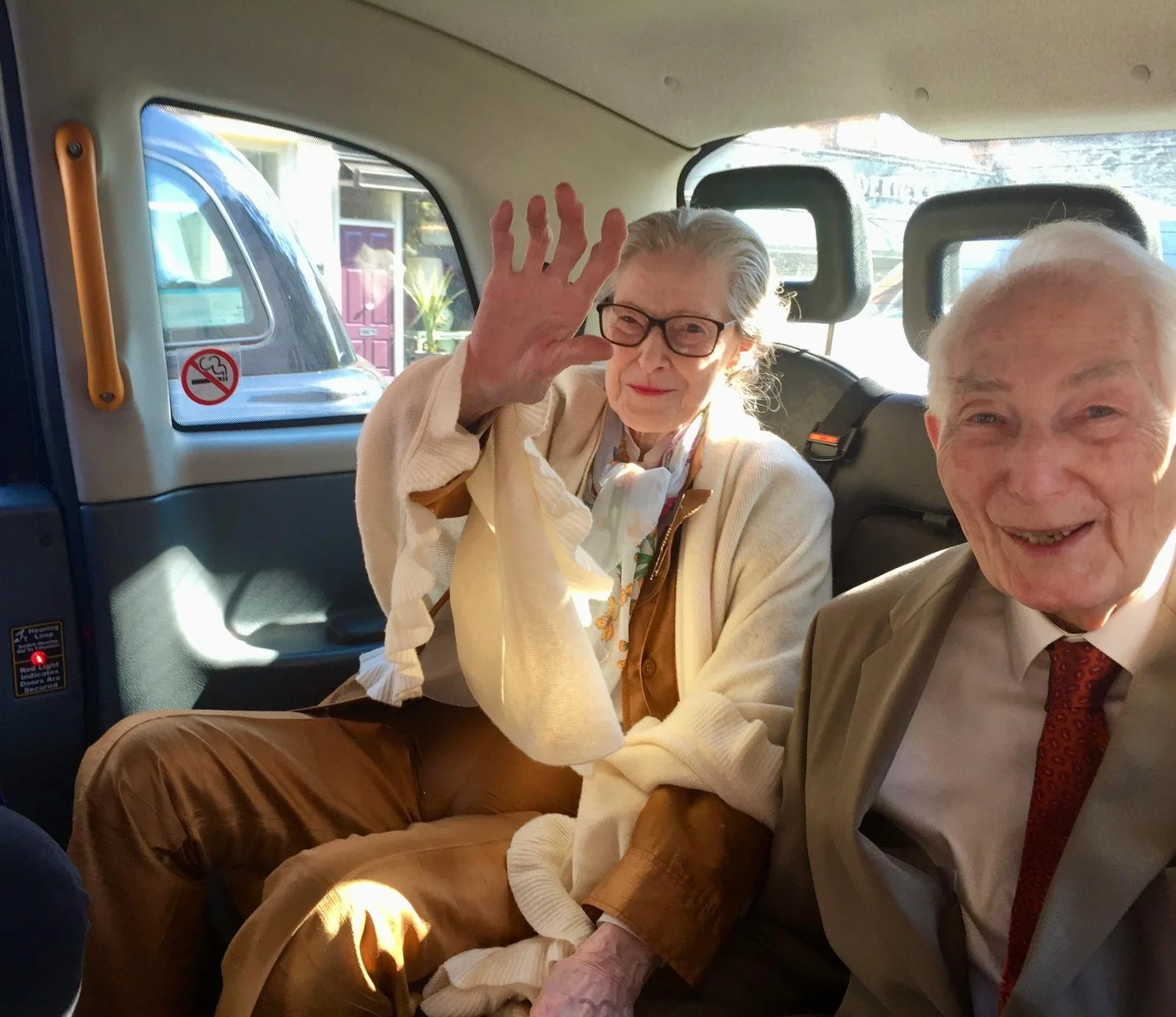
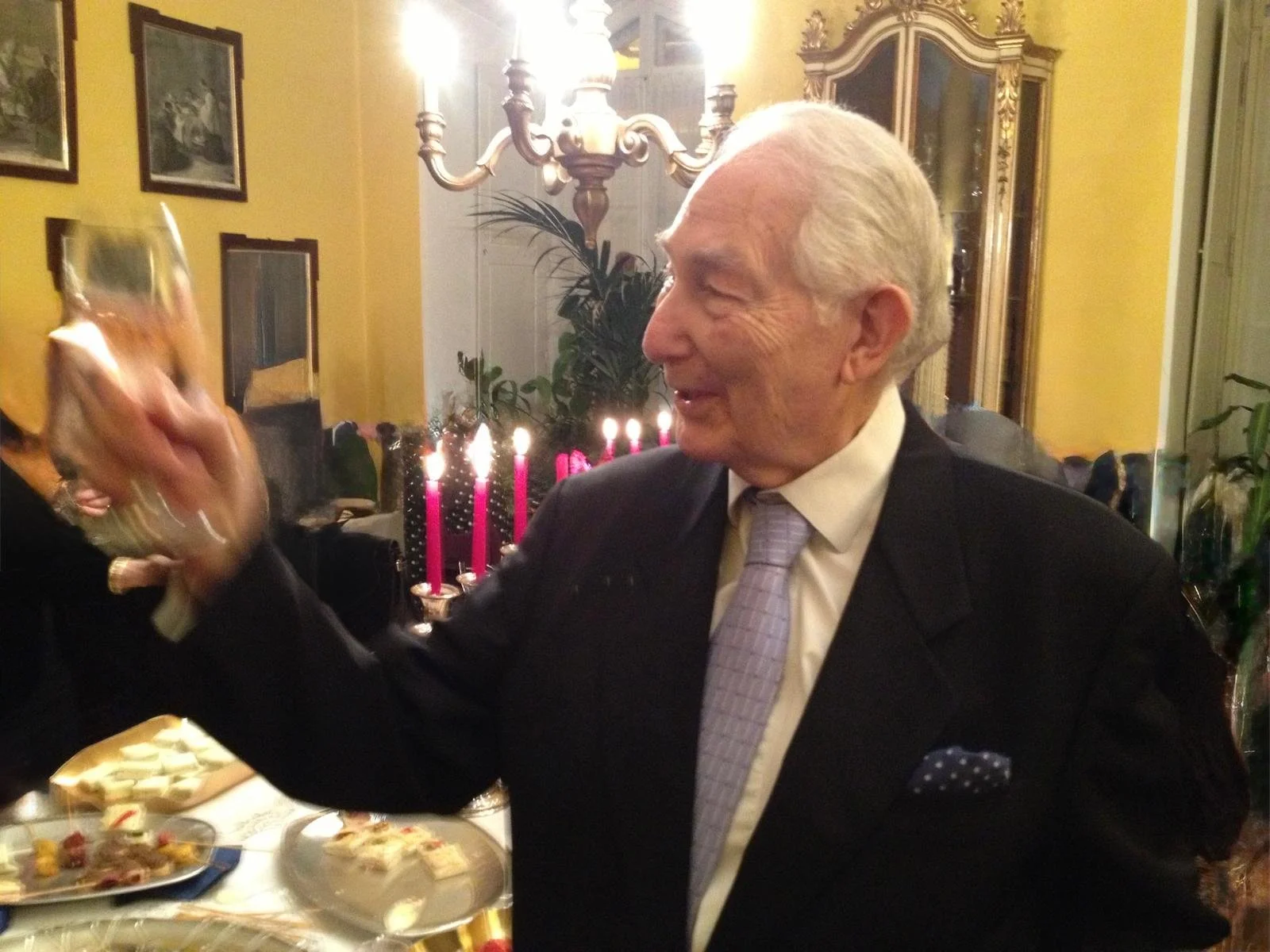
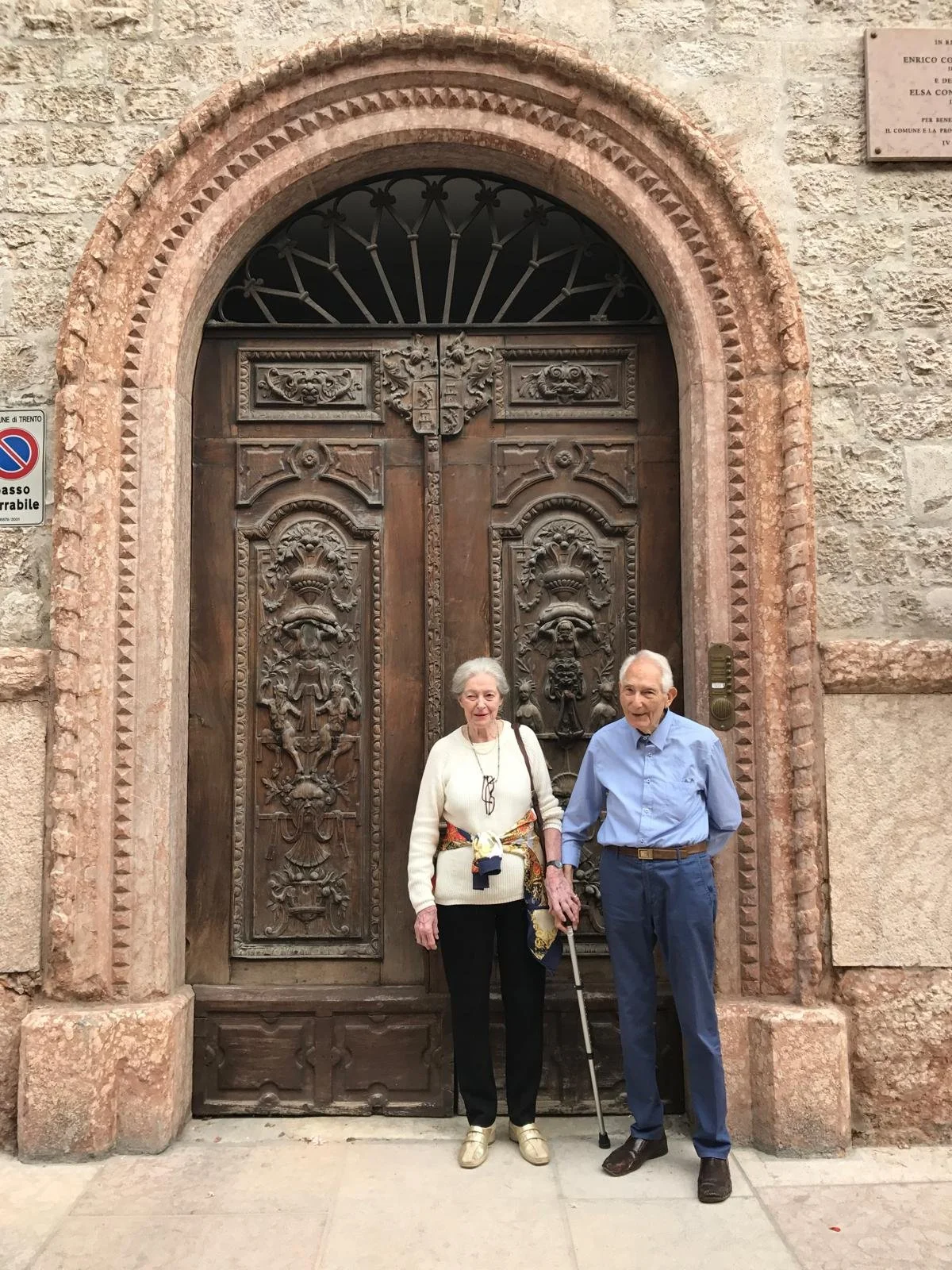
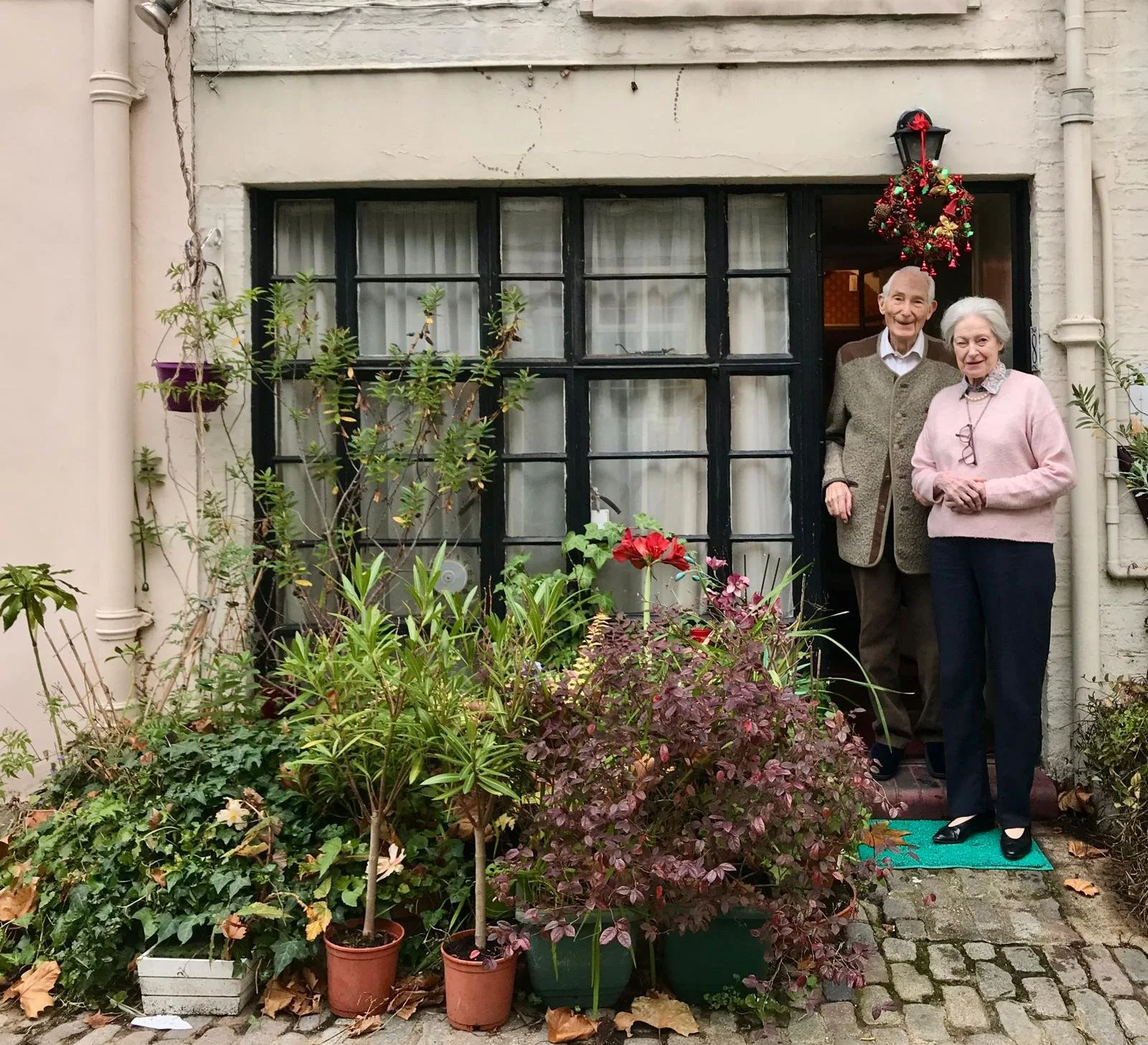
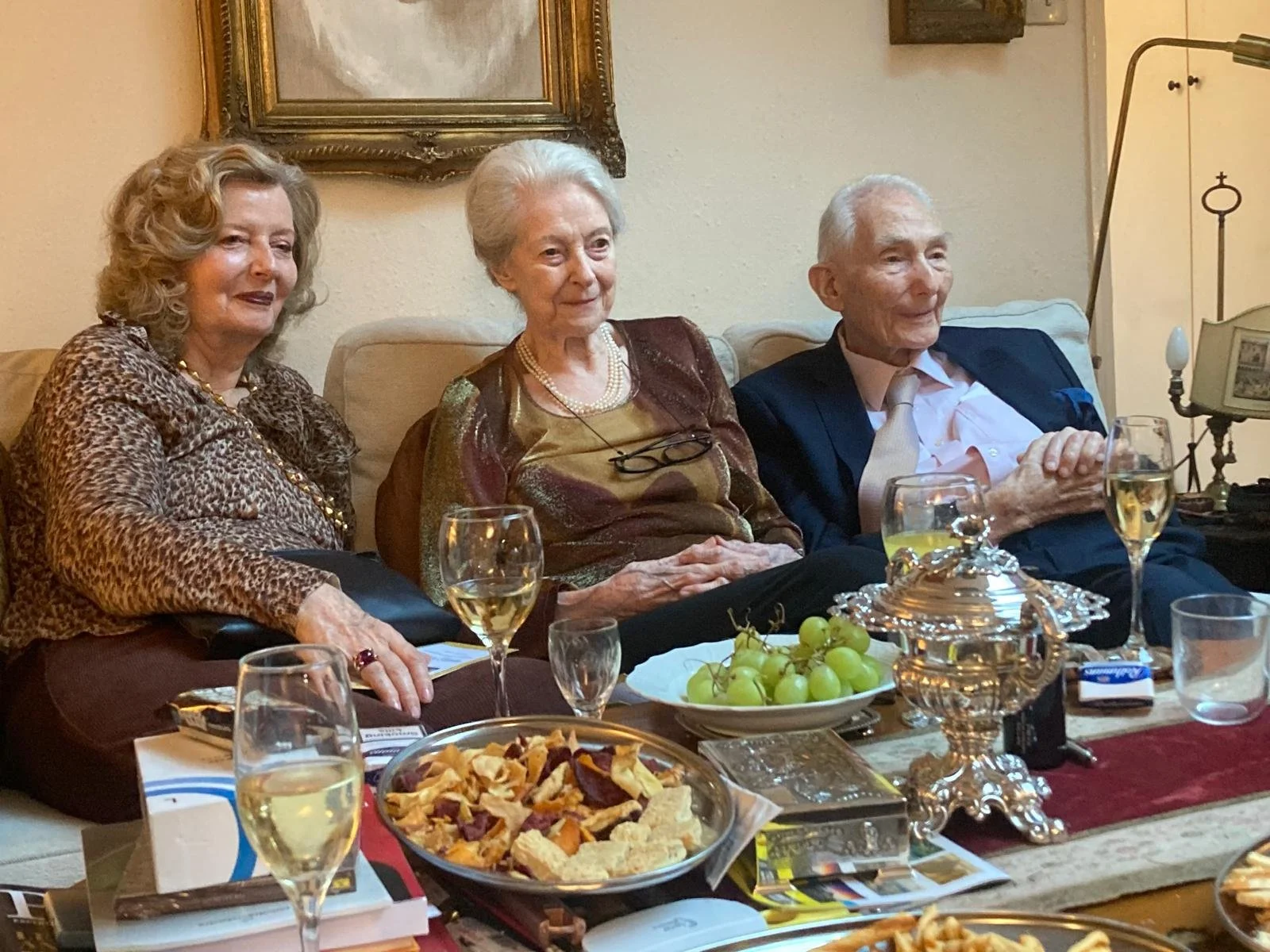
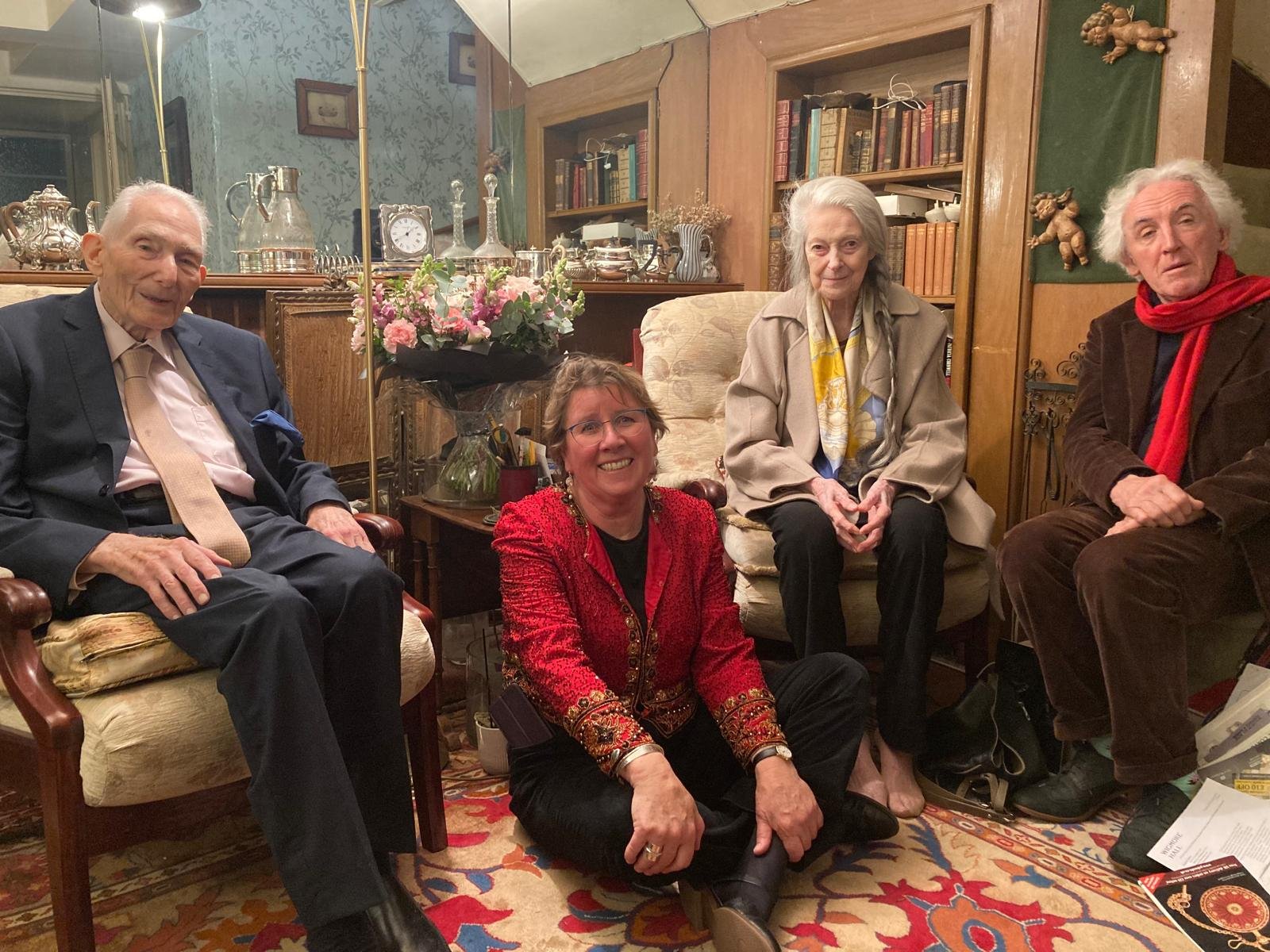
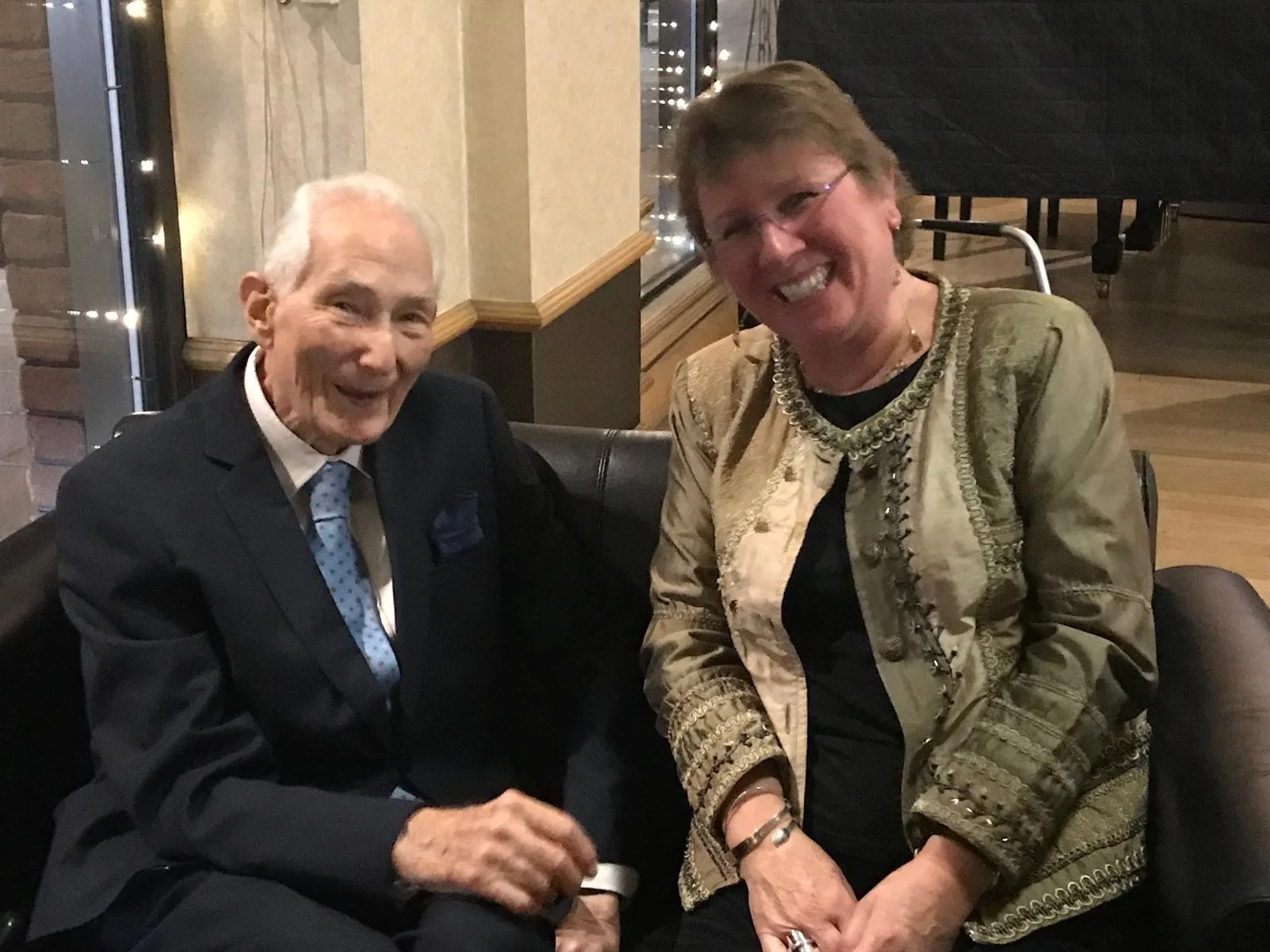
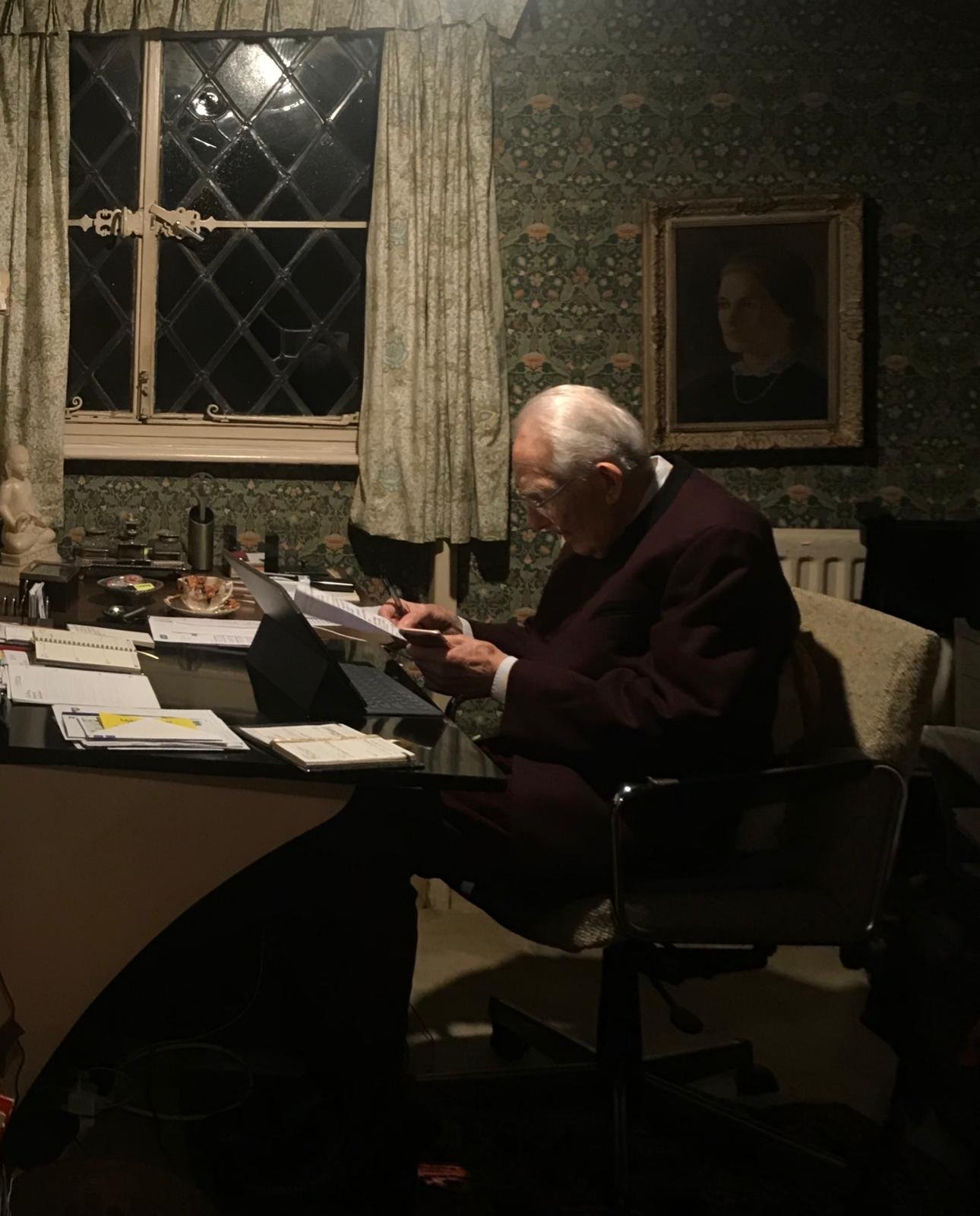
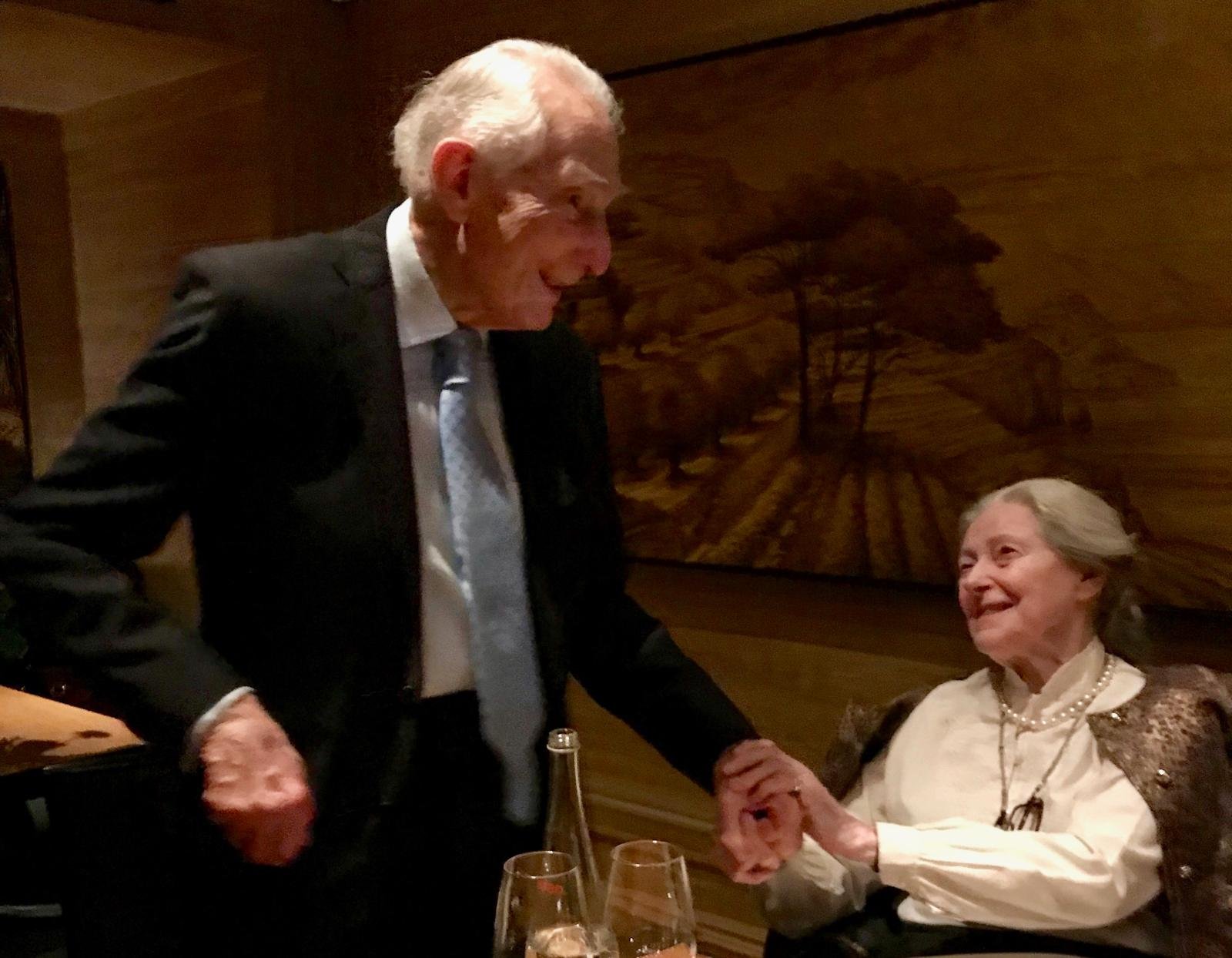
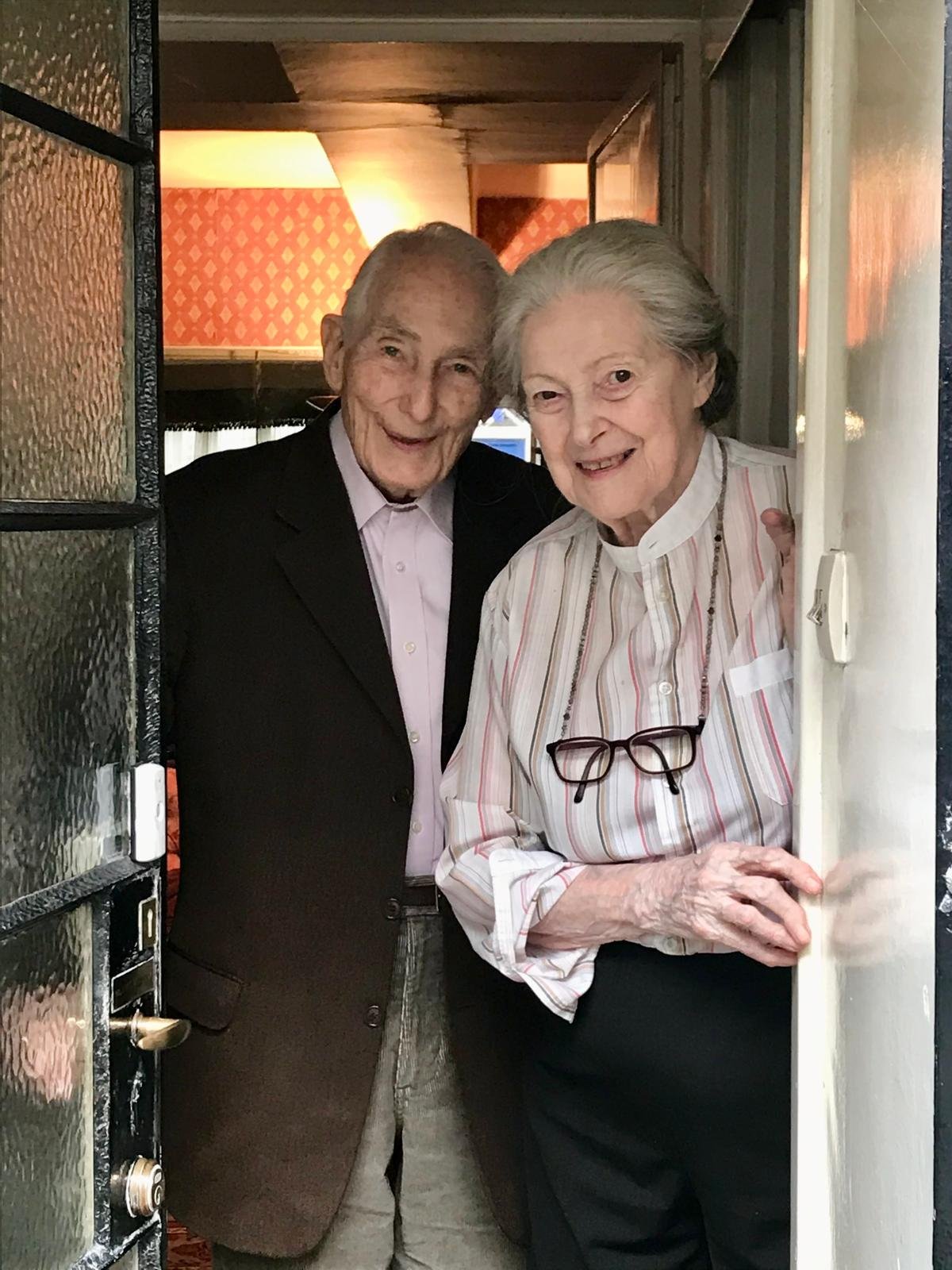
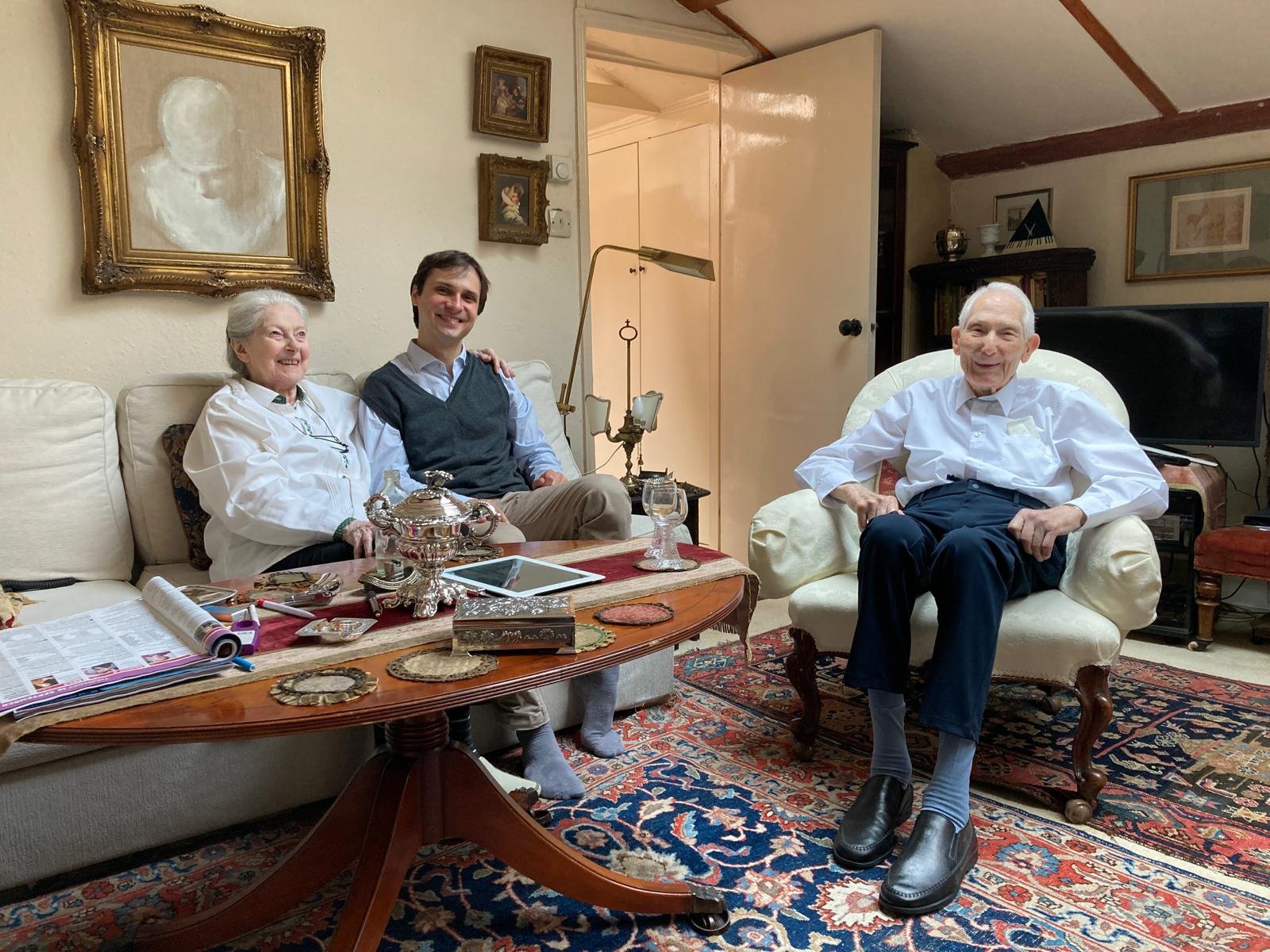
Remembering John
I first met John in 1982 when I was thinking about setting up what became Rural Investment Overseas Ltd (RIO) – a small company that endeavoured to work with and nurture entrepreneurs in what was then called “the developing world”. I was a fan of the Commonwealth Development Corporation (CDC), of which John was the Head of External Relations, but I was also conscious that they could only do big projects (with a minimum investment of £1 million) which to me excluded many innovative things that were happening with smaller businesses operating below that level. Hence the idea of RIO was to be a junior version of CDC, with the possibility of feeding such smaller initatives into CDC when they became big enough to meet CDC’s investment criteria. I also felt that there was an opportunity to try and blend public money (for infrastructure) with private money (for production) in countries in which requiring private investors to cover the cost of infrastructure would make such investment unprofitable. This is common now – through public-private partnerships – but was novel at the time. To test the idea I spent several months travelling as cheaply as possible to share the idea with people in institutions in the UK, US, Africa and Asia – most of whom doubted that it would work.
When I approached people in CDC about the idea – including Alistair Boyd, Keith Armstrong, David Killick and Theo Jones – they all pointed me in the direction of John - perhaps in the hope that his inimitable diplomacy would deflect me from the idea and from my approaching CDC. In the event John graciously agreed to see me and warmed to the idea – to the extent of saying that he was coming up to retirement and could be interested in pursuing the idea with me. And so began a partnership that lasted into the 1990s and a friendship that lasted until the end.
Warming to the idea, John encouraged me to keep going and helped me to focus my thinking. When I started the formal process of setting up the tiny company, he offered to be its chairman and to help raise funds. Without his help such funds would not have been forthcoming. He provided the assurance to those investing that this was a serious initiative and that he was closely involved as Chairman. He also supported an approach to the CDC Board for RIO to have a £1 million line of credit to be used for supporting smaller businesses, although in the event the CDC board (perhaps not surprisingly) thought that this was step too far.
Once we set out on the road he was very actively involved and brought in his many contacts in development institutions around the world. He played the lead role in promoting two pioneering venture capital companies in Africa – one in Tanzania (Tanzania Venture Capital Fund and Equity Investment Management) and the other in Ghana (The Ghana Venture Capital Fund).
Having done the groundwork to demonstrate that there were credible investments to be made, he encouraged CDC to invest £1 million in the Tanzania Venture Capital Fund and USAID to commit US$ 1 million as a grant to cover the cost of CDC managing it for the first three years. This was the first involvement of CDC in the field of venture capital, made after much due diligence and encouraged by John’s involvement. Its first investment made was in Precision Air, then a tiny business, established in 1991, which owned one small plane providing private charter. The company grew, remaining privately owned until 2003 when Kenya Airways took a 49% stake and other airlines followed. It became a public company in 2011 and is now the largest regional airline in East Africa. In Pioneering Development, an official history of CDC, we read that (page 168) “TVCF helped to lay the foundation of what was to become one of the largest suppliers of Fairtrade tea – Tanzania Tea Packers, better known as Tatepa”.
A similar approach (CDC investing and USAID covering the cost of management) was successfully achieved with the Ghana Venture Capital Fund – and in Pioneering Development (page 197) we read..”The single country funds, such as the Ghana Venture Capital Fund , provided the platform for the creation of Aureos (fund manager) - set up by CDC in the 1990s at a time when no one else was making this kind of bold commitment. In reality, the groundwork for both the TVCF and the GVCF was undertaken by RIO, with John at the helm guiding us through and bringing in the institutional partners.
In 1991, John and Noretta founded the Keyboard Charitable Trust and shortly afterwards he stood down as Chair of RIO – now well established – to give more time to the trust.
We are deeply grateful for all that John gave to us as we set up this tiny initiative which, as was intended, never grew to become a big company – preferring to stay small and nimble, seeking to turn ideas into reality and bringing together and nurturing partners who wanted to take them to scale.
— John Meadley
Working with John Leech
John introduced me to Dar es Salaam in the 1980s when we were looking at the viability of a seed capital fund, an initiative funded by USAID. The American agency usually works only with American contractors, and that RIO somehow inveigled itself in the project was no doubt down to John’s earlier experience managing the Tanzania Development Finance Company, and his diplomatic skills. I was new to this world and accepted John’s mentoring without question.
So it was that John walked me through the maze of streets in central Dar on my first day, pointing out how easy it was to get from our hotel to all the key institutions we needed to visit. It never occurred to me that this was not usual behaviour in the aid world, where cars and drivers were often involved, especially in the “hardship” posting of Tanzania. And I happily continued to walk my way around town in subsequent visits, even after having been mugged one evening on the way back from dinner (the reassuring presence of John and other colleagues helped me chalk it up as a lesson in how not to carry a bag).
I watched John came alive walking along those streets, pointing out shortcuts that only an old hand would venture to take. Instead of feeling we were slogging on foot getting hot and sweaty, it felt as if we were going on a big adventure. Tanzania was the first CDC posting for John and Noretta, and in later years both their eyes would light up when we spoke together of Dar.
John was not one for giving lots of advice, rather showing by example how one might behave. Only once did he check me, and what he said stayed in my mind. The project of the day was getting stressful, and I vented on the receptionist at the Kilimanjaro (having complained daily about a leaking sink to no effect). John took me aside and said firmly “never let it get to you.”
Reading John’s memoirs I realise that this was a principle he lived by, having overcome so many vicissitudes so early on.
There were times during our years at RIO that this principle of his must have been tested. John referred in his memoirs to the Kafkaesque experience of negotiating with a Californian venture capital firm over another venture capital project in Thailand. I would describe it as a great betrayal.
RIO had persuaded several international institutions to commit to investing US$ 5 million in the project, subject to said venture capital firm coming on board and raising US$5 million on the Thai Stock Exchange. With the Californians dragging their heels, the deadline for expiry of these commitments was coming up. John and I attended a meeting with all the parties, when it was delicately put to us that the deadline would not be extended. They were in fact telling us the project was dead, but the Thai way was to put it obliquely, so obliquely that I only understood we faced a setback. John of course knew what it meant, and the two of us sat in silence in the back the car of the chairman of one of the Thai banks summoned to drive us back. As we entered the project flat, to make conversation, I remarked on the extraordinary experience of sitting in the back of a Bentley. John replied he was afraid that was to be our consolation prize. That was all John said that night as he absorbed the implications of what had happened.
RIO had put years of effort into the project in which John had paid a pivotal role, all unpaid (fees were to be contingent on the establishment of the fund). As the unravelling played out, and the serious implications to RIO became clear, I and other colleagues had choice ways of describing the villains of the piece. I don’t recall John joined in, other than the odd shaking of the head at the ‘extraordinary behaviour’.
Never let it get to you. I’m not sure I managed to live up to that principle, but John did remind me that one can choose to carry on and keep faith in people, despite the setbacks that life throws at you.
— Fiona Meadley